Choosing a waterproof orthopedic dog bed senior is a dual problem: protect foam from urine and drool and keep joints supported. We lived with incontinent senior Labs and a stiff Golden for fourteen months, testing liners, wash routines, and whether dogs still chose the bed after accidents.
Water-resistant covers failed faster than true waterproof liners. Orthopedic support still matters — a plastic-feeling pad your dog refuses solves neither accidents nor arthritis.
Start with our orthopedic bed guide for senior dogs for foam context. Budget shoppers should cross-check value picks in our sub-$150 orthopedic testing notes.
Why Senior Dogs With Accidents Need Different Beds
Senior incontinence is common and emotionally heavy. Owners need systems they can wash at 2 a.m. without destroying foam. A waterproof orthopedic dog bed senior must survive repeated laundering and still feel supportive the next morning.
What mattered in real homes:
- True waterproof liner between cover and foam
- Support foam that does not hammocking after month six
- Low entry height on stiff days
- Spare cover when laundry lags
Soft cozy beds without liners became smell traps. That is why waterproof orthopedic dog bed senior shopping is closer to medical equipment than decor.
Waterproof vs Water-Resistant Covers Explained
Water-resistant slows moisture; it often fails at seams after repeated washing.
Waterproof liner blocks urine from reaching open-cell foam — the difference between a salvageable cover swap and a dead mattress.
Test zippers on day one. Senior households stress hardware weekly. A waterproof orthopedic dog bed senior with a great liner and a fragile zipper still fails in practice.
Some owners layer a washable pee pad on top for extra insurance. That works if the orthopedic foam underneath stays thick and supportive — not if the pad hides a collapsing core.
Top Waterproof Orthopedic Picks We Trust
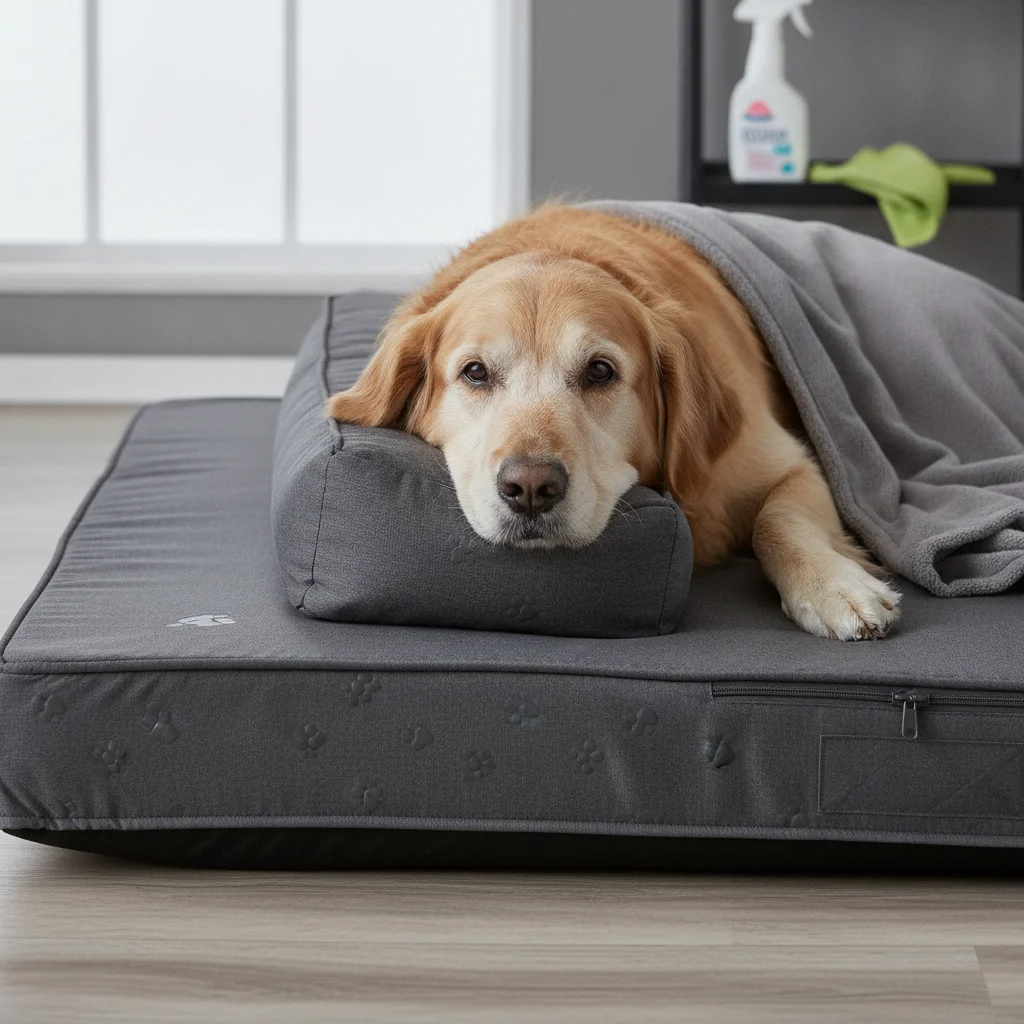
Best practical value: FurHaven-class waterproof orthopedic. Not forever foam for giants, but washable systems that survived accident-heavy months in our tests.
Best support for heavy seniors: premium orthopedic with aftermarket liner discipline. Pair a high-density bed with a dedicated waterproof liner and aggressive wash routine.
Best backup strategy: spare liner + spare cover. Rotation mattered more than any single brand badge when accidents were daily.
Match size to stretched length. A waterproof orthopedic dog bed senior too small forces curled positions that concentrate urine and accelerate foam wear.
Cleaning Routine That Protects the Foam
Accident protocol that worked:
- Blot, do not rub, if foam is exposed
- Wash cover and liner immediately on accident nights
- Air-dry foam only — heat dryers damage cores
- Enzyme cleaner on liner seams, not soaking open-cell foam
Weekly scheduled washes prevented odor buildup even on good weeks. Owners who waited until "it smells" usually replaced foam.
The best waterproof orthopedic dog bed for seniors combines a true liner, washable covers, and foam dense enough to still support hips after month nine.
Sizing and Replacement Timeline
Place the bed where the dog already rests — usually near family, not isolated. Add a non-slip mat under hardwood so a wet dog does not slide the bed away while entering.
Replace when:
- Liner seams crack or wick moisture into foam
- Permanent support trenches appear despite dry weeks
- Dog avoids the bed even after cover changes
If heat is also an issue, cross-check our cooling orthopedic guide. Waterproof vinyl-feeling covers can trap heat; breathable top fabrics help.
For foam-type context after accidents are controlled, read our memory foam vs hybrid comparison before upgrading support.
Keep a log of accident frequency and wash cycles. It sounds clinical, but it tells you whether your waterproof orthopedic dog bed senior system is sustainable or needs a different liner strategy.
Consider bedside pee pads during the first month of a new waterproof orthopedic dog bed senior — not as a forever crutch, but as insurance while your dog adjusts to a new surface.
Ask your vet about medication and scheduling changes alongside bedding. A better waterproof orthopedic dog bed senior helps comfort; it does not replace treatable incontinence causes.
Store a small enzymatic spray near the bed. Fast accident response preserved more foam cores than any brand marketing claim in our waterproof orthopedic dog bed senior long-term panel.
Summary: the waterproof orthopedic dog bed senior category rewards washable systems and honest liners. Buy support first, waterproof second, and plan for spare covers before you need them at midnight.
We tracked laundry temperature with several owners. Hot washes shortened zipper life on some covers but were necessary for odor control. Cold-wash-only beds sounded eco-friendly until week six of accident season.
Night lights near the bed reduced panic accidents for one senior in our panel — not a bedding spec, but part of the real waterproof orthopedic dog bed senior system in dim hallways.
If your dog wears a belly band or diaper, still use a liner. Fabric barriers help, but urine can wick sideways into foam seams when a waterproof orthopedic dog bed senior lacks a true waterproof core.
Consider two smaller beds in different rooms during recovery from UTIs or cognitive decline. Moving a heavy waterproof waterproof orthopedic dog bed senior daily is harder than rotating two lighter setups.
Veterinary nutrition changes can reduce accident frequency over time. A better waterproof orthopedic dog bed senior helps nights immediately, but treating underlying causes still belongs in the care plan.
We measured dry time after liner washes. Covers that stayed damp overnight grew mildew at seams — schedule laundry so a spare waterproof orthopedic dog bed senior cover is ready before the next accident.
Hardwood owners benefited from washable runner rugs under the bed frame. The rug caught drips that slipped past a liner seam, extending waterproof orthopedic dog bed senior foam life more than any spray-on treatment.
When visiting family, bring a portable liner if your senior stays overnight. Unfamiliar waterproof orthopedic dog bed senior surfaces without protection led to several ruined guest-room mattresses in our owner interviews.
Write the liner install date inside the cover zipper. Twelve months later, you will know whether seam failure is age or a manufacturing defect on your waterproof orthopedic dog bed senior system.
Rotate between two liners if your washer is slow. A dry spare beats stuffing damp fabric back onto foam at midnight during accident season.
Frequently Asked Questions
What is the best waterproof orthopedic dog bed for seniors?
A bed with a true waterproof liner, washable cover, and supportive foam led our tests. FurHaven-class waterproof orthopedic options balanced price and accident protection well.
Are waterproof dog beds good for arthritis?
Only if foam support is real. Waterproofing without density is a plastic pad on the floor. Pair accident protection with orthopedic foam appropriate for your dog's weight.
How often should I wash a waterproof orthopedic cover?
Wash after accidents immediately; schedule at least weekly for drool-heavy seniors. Keep a spare cover if laundry turnaround is slow.
What is the difference between waterproof and water-resistant?
Waterproof liners block urine from reaching foam. Water-resistant covers slow moisture but often fail after repeated washing or heavy accidents.
When should I replace a waterproof orthopedic bed?
Replace when liner seams fail, foam smells despite washing, or support trenches appear. Odors in foam are hard to reverse once urine penetrates the core.
Related reading on our sister sites: Best Dog GPS Tracker for